 EN
EN

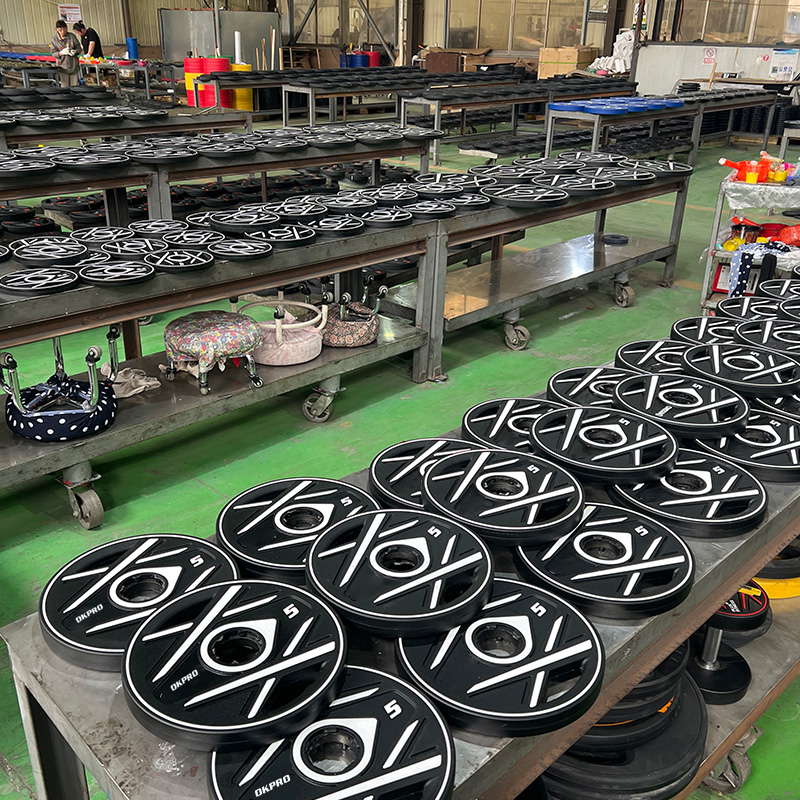
Shipping Efficiency: How to Reduce Cost-Driven Palletization of Plate-Barbell Bundles Using DIM Weights
Shipping only loose barbell plates is surprisingly expensive. Carriers rely on dimensional weight (DIM weight) to evaluate how to charge. DIM weights consider both weight and size of a shipment. For dense, oddly-shaped products like plates, empty volume in packages is billed, not plate weight. From the first mile, this system incentivizes shipping plates as a "bundled" package with barbells.
The Cost Reality of Shipping Barbell Plates Alone
Barbell plates, when shipped individually or in small numbers, require protective packaging dictated by plate size. For example, a standard 45 lb plate is about 17 inches in diameter, requiring a box that is much larger than the typical box due to the protective corrugated dividers and edge protectors, which, due to DIM weights, can penalize shipping costs. Moreover, a pallet of plates can have inefficient stack structures, leaving empty cavities, also resulting in DIM weight penalties. Less than truckload carriers (LTL) utilize DIM weights to charge for the empty spaces. This system means that a pallet of plates shipped on its own can be 20-30% more expensive to ship than the same weight of a product that is more compact. These DIM weight penalties can make a significant impact on a wholesaler's bottom line when considering the shipping costs incurred before the plates reach their destination commercial gym.
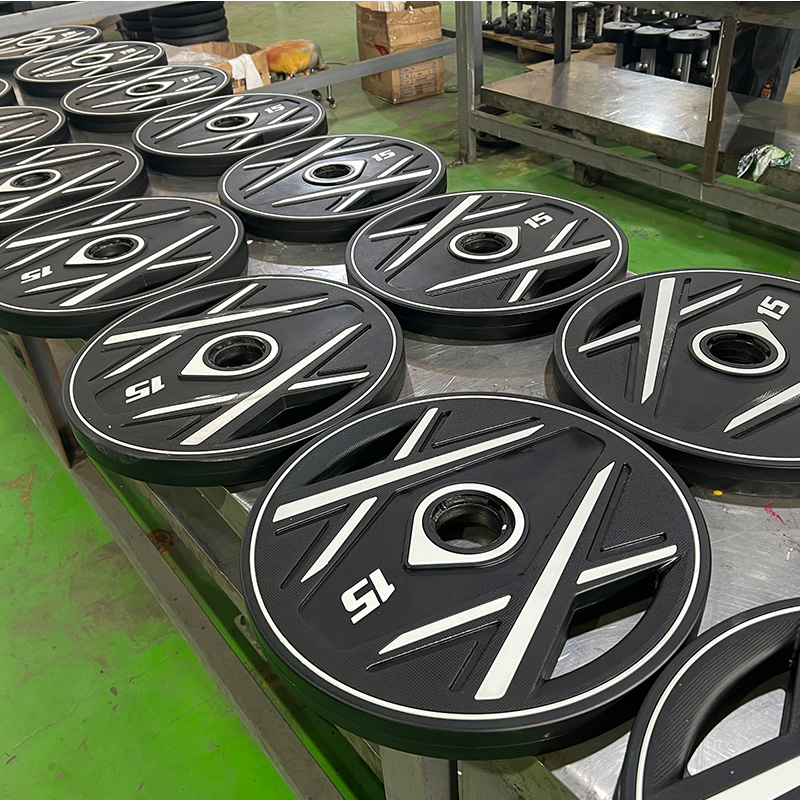
How Bundling Utilizes Pallet Space and Overcomes Dimensional Weight Issues
Barbell sets packaged together with barbell plates fill gaps within pallets and negate the need for dim charges. Barbells can be aligned through space between stacks of barbell plates since barbells are approximately 6-7 feet long and create a useable structure from dead space. Pallets can be packed almost completely to a solid state, making the air within the pallets denser and greater than the actual presented weight to the shipping company. Pallet space is fully utilized when the weight reaches the maximum capacity of the pallet, which also mitigates dim charges. Wholesalers can ship more product on fewer pallets, which lowers the total pallet expense. This is reflected in the lower unit costs commercial wholesalers pay, making the bundled kits a more economical purchase option.
Why Bundling Enhances Margins for Wholesalers and Commercial Gyms
Wholesalers balance the profitability of different products by bundling barbells and plates. Barbells have higher margins, while plates experience significant shipping and storage costs, which pressures margins. Bundling helps protect margin targets while keeping plates competitively priced. For commercial gyms, the lower prices of bundled kits mean they have a more streamlined and economically favorable purchasing process. In this system, plates go from a standalone low-margin product to a revenue-generating bundle product.
Value Kits as Procurement Standard: IHRSA Data Shows 41% YoY Growth in Bundled Barbell Plates Adoption
When looking at packaged kits, there is a 41% increase in packaged kits adoption year-over-year (YoY) recorded in IHRSA’s 2023 Commercial Fitness Equipment Report. This increase stems from the following three interrelated benefits.
- Simplicity in collection: Supply chain streamlining is achieved by combining kits, which means buying less, buying quicker, and buying kits.
- Logistics: A 17-29% reduction in cost per unit shipment occurs when barbell kits are shipped together.
- Turnover: Bundled barbell kits shipped together solves the problem of uneven inventory of barbell plates and helps stores maintain product flow.
Standardization generates consistent purchasing patterns enabling manufacturers to maintain balance in equipment offerings. Barbell plate bundles constitute more than 60% of barbell plate sales. They are the industry standard.
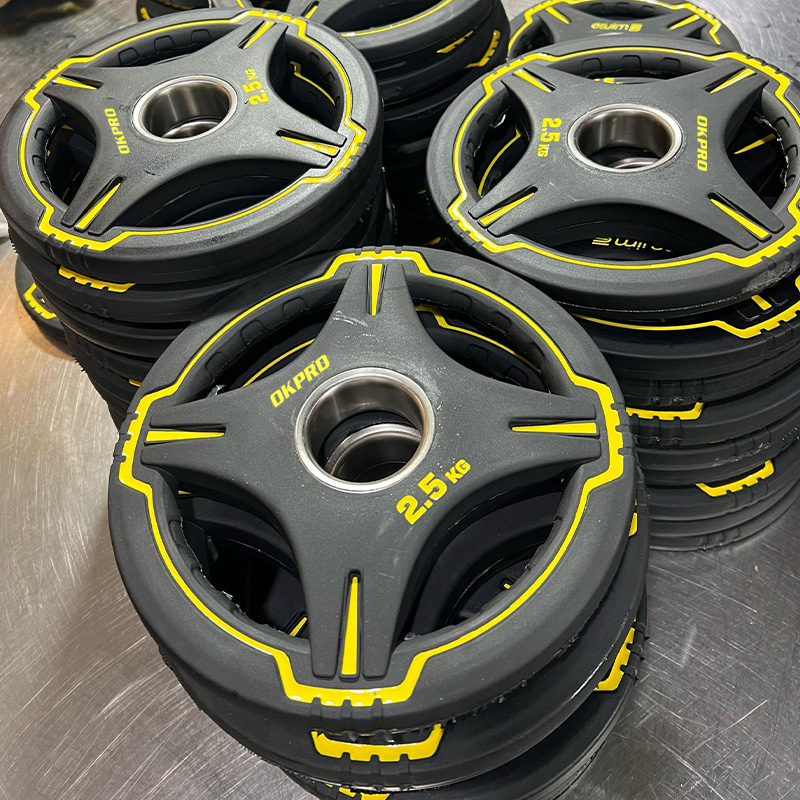
Barbell Plates as a High SKU, Low Margin Product in the Inventory and Ecosystem Strategy
Barbell plates are a staple example of a high SKU, low margin product in the commercial gym ecosystem. There are dozens of variations among plates—2.5 lb, 5 lb, 10 lb, 25 lb, 45 lb, etc.values and types of finishes (rubber, iron, urethane), hole diameters, and grips. Each variation contributes to the ecosystem and adds complexity to a wholesaler’s inventory, with suboptimal value contributed by a low per plate sale (often 10 to 15%) relative to the plate’s value, and a fixed cost the wholesaler incurs per plate (storage, sale, etc.). Bundling each plate sold individually (which is unattractive for both) takes slow-moving, high volume, low margin inventory, and makes it an integral segment of the ecosystem. This is intentional on both the wholesaler and commercial gym sides. In a bundled inventory, the variability among different weights is reduced, aligning with the gym’s standard procurement practices, and reducing the cost associated with holding the inventory. Essentially, barbell plates are low margin products that drive a wholesaler’s ecosystem to provide high margin barbells.
FAQ
What is DIM weight?
DIM weight (short for dimensional weight) is a measurement used in the shipping calculation of a package for how large a package is versus how heavy a package is. It is an inefficiently packed item, often leading to a higher shipping cost.
How does combining barbells and barbell plate products impact shipping?
Shipping costs are reduced because there is less DIM weight. Combining barbells and barbell plates improves shipping costs as empty voids in a shipment are filled. This improves the shipping and handling cost because everything is packed more tightly.
What advantages do bundled barbell plates offer gyms?
Bundled barbell plates create efficiencies through cost-effective purchasing, reduced transportation costs, and simplified inventory control, all of which increase their overall value proposition to a commercial gym.
What does cross-subsidization mean regarding barbell-plate bundles?
Cross-subsidization refers to the practice of using the profit made from a sale of a barbell, due to its high price, to make up for the profit lost on the sale of a barbell plate, due to its low price, so that prices for barbell plate bundles remain competitive.
What problems do wholesalers experience with barbell plates sold individually?
Barbell plates sold individually typically yield low profits, have high transportation and carrying costs, and create inventory challenges from the many combinations of weights and materials.