 EN
EN

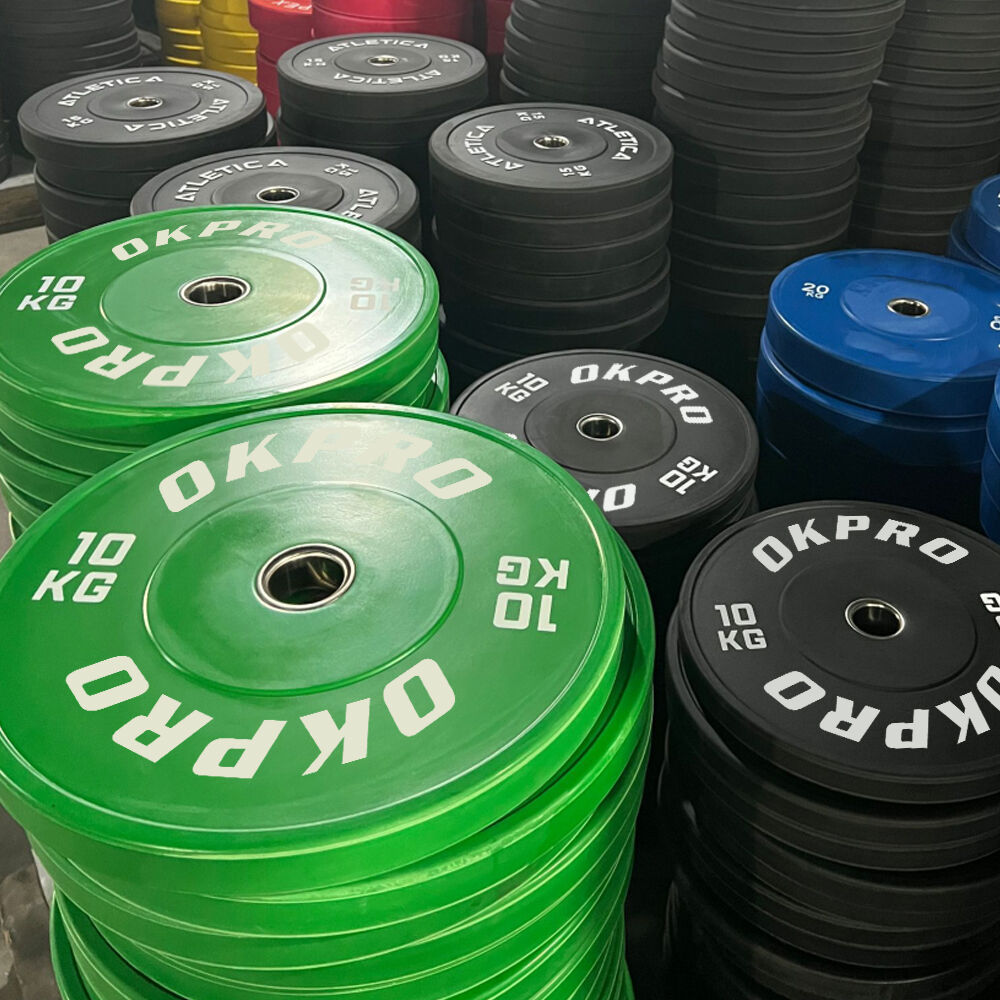
Check Compliance with ISO 20957, CE, and EN 957 for Commercial Grade Equipment
When analyzing potential wholesale gym equipment suppliers, look for ISO 20957, CE and EN 957 certifications. Along with ensuring the equipment is built with the right materials for durability, these certifications are essential for the safety of customers. The ISO 20957 certification is a durability certification, and the CE and EN 957 certifications are safety certifications for the European standards of equipment, which include restrictions on the injury potential and weight limit of the equipment. The certifications are not just for show, and un-certified equipment will lead to more problems than it is worth for a gym for financial and legal reasons. The industry average is still not good, but better than the un-certified equipment; the average for un-certified equipment is 2 years of operation before it has to be repaired; the average for a certified leg press is 2 years of operation with a 63% lower repair and maintenance average. Always ask to see the certification documents when you are purchasing gym equipment. The industry average is to have fake documents (fraud); it will be worth the effort to verify the documents to avoid fraud.
Evaluate Integrity of Materials and Manufacturing Transparency Against Marketing Claims
Stop buying on buzzwords. What does “premium steel” mean? Mill test reports (documents that provide evidence for the claims made about steel’s tensile strength) are always requested. For large volume tubing, polymer density ratings for weight plates should have at least 350 MPa yield strength. Many companies have consistent robotic welding throughout production runs, and you can observe this on factory tours. There are companies that will provide you with third party metallurgy tests, and you can watch the robotic welding for yourself. A local college gym vendor provided balanced ISO documentation and trade records and saved the gym 34% on repair costs. Be careful with seating area foam! Cheap padded foam will wear down 40% faster. When any vendors have inconsistent documentation, it is a sign that they are cutting corners.Warranty Information, Maintenance Support, and Service Responsiveness
Lifetime Frame Warranty: Frame Coverage, Labor Costs, and Transferable?
Going by the name, “lifetime frame warranty” would be really reassuring. However, closer inspection reveals some major caveats. Bear in mind, most of these warranties do not cover the wear and tear of moving components like bearings, seat covers, and rubber seals around the hydraulics. The Fitness Industry Council report of 2023 states that these items are responsible for 42% of all repair costs. Make sure to check the warranty details before signing, as many of them do not cover warranty work. Therefore, facility managers are responsible for 60 to 85% of repair costs. Equipment with non-transferable warranties typically have 17% ROI loss. Non-transferable warranties also tend to drag down the resale value of the equipment when it is sold later down the road.
Warranty Component General Review Focus Typical Issues
Structural Coverage Frame, weld points, load-bearing elements Exemptions for “stress fractures” or “poor installation”
Labor Inclusions Hourly rates, travel, off-hours, and holiday
Labor contracts particularized and split into separate agreements valued at $120–$250/hour
Transferability Documentation, transfer charges Voided if sold to non-business
Response Time Benchmarks: Why <24-Hour SLA Matters for Multi-Location Gyms
How quickly services respond makes all the difference for companies running multiple locations when it comes to keeping members happy. According to a Gym Operations Journal study published last year, gyms that resolve problems in a 12-hour window as opposed to a 48-hour window face 31% less member attrition. When evaluating vendors, prioritize those who provide onsite service within 24 hours and avoid vendor networks that push service delays exceeding 18 hours. Also, review service level agreements for penalty clauses. Contracts that include this clause are less likely to incur unplanned downtime, as they protect businesses from cost impacts when service providers fail to meet their deadlines.
Match Your Business Model with the Capabilities of Wholesale Gym Equipment Suppliers
Product Range, Personalization, and Scalability to Facility Type (Studio vs. Full Scale Gym)
The size of the facility determines the type of supplier that fits best. Small boutique studios often select space-saving equipment like modular racks, battle ropes, and functional trainers. Such spaces Value Suppliers who understand how to design for tight space floor maximization while integrating brand flexible. Larger gyms have more distinct requirements. They need more variety in their product offerings catering to, multiple cardio machines, extensive free weight areas, and all functional training equipment. This means partnering with suppliers who can provide large product offerings and maintain consistent quality across all product types. In terms of operational scaling, large and small facilities face the same challenges. Studios typically need their equipment delivered in stages as they expand, while chain operators have volume based discount preferences with rigid specifications for all locations. Recent industry studies show that close to four of five multi-site gym owners have issues with suppliers who cannot scale, causing delays in operational workflows (Fitness Business Journal 2024).
Strategic Comparisons of Domestic and International Wholesale Suppliers of Gym Equipment
Total Cost of Ownership: The Trade-Offs of Import Duties, Lead Times, and Technical Support
International suppliers add costs of duties (15%-27%) to your equipment costs, which means your savings from buying in bulk are diminished substantially. International suppliers also add significant lead time, with international shipments taking 10-16 weeks to ship, (and more time if there are customs delays). On the other hand, local suppliers can ship within 2-4 weeks. Technical support also matters, as domestic companies can respond, and support technicians may show up the same day, whereas third party contractor support from international suppliers may take over 3 days to respond. Because the The Ponemon Institute estimated operational downtime to cost $740/hour in 2023, time sensitive solutions become even more mandatory. Finally, keep in mind the types of coverage on warranties, including labor, and how long parts are expected to take to replace to ensure your goals are met throughout the product’s life cycle.
Using Objective, Third-Party Evidence to Validate Reputation
Third-party validation can separate marketers from genuine suppliers. Users often post their experiences on Trustpilot, a helpful third-party validation tool. Reviewers share their experiences with equipment, customer support, and their experiences months after purchase, so it is helpful to confirm reviews. Request case studies to evaluate your supplier’s customer success and focus on achievements. How often do their users’ systems require support or become operational without unplanned outages? Double-check their claims. Center fraud was documented last year, and many institutions reported non-compliance. For balance, rely on third-party evaluations rather than self-published testimonials when reviewing quality claims to avoid confirmation bias.
FAQ
1. Why are the certifications ISO 20957, CE, and EN 957 important?
These certifications tell us that the gym equipment is made for the specific requirements for the equipment to last, break down less, and to avoid legal issues.
2. What should I look for to assess the integrity of the materials that make up the gym equipment?
You must look for mill tests on materials to assess their integrity, showing that the steel has the proper tensile strength and that the polymers used in the weight plates are of the right density.
3. Are lifetime warranties for the frames of gym equipment really that good?
They sound great, but these warranties seldom cover parts that are going to be the cause of the majority of the repairs, so these warranties might actually end up making repair costs higher.
4. What are the differences in costs of suppliers for the equipment that are located in the country and those that are located in other countries?
Because of customs and other bordering regulations, international suppliers might charge more for their services, and will take more time to deliver their products. However, suppliers that are located within the same country will charge more for their services but will take less time to deliver their products.
Table of Contents
- Check Compliance with ISO 20957, CE, and EN 957 for Commercial Grade Equipment
- Lifetime Frame Warranty: Frame Coverage, Labor Costs, and Transferable?
- Product Range, Personalization, and Scalability to Facility Type (Studio vs. Full Scale Gym)
- Total Cost of Ownership: The Trade-Offs of Import Duties, Lead Times, and Technical Support
- Using Objective, Third-Party Evidence to Validate Reputation
- FAQ