 EN
EN

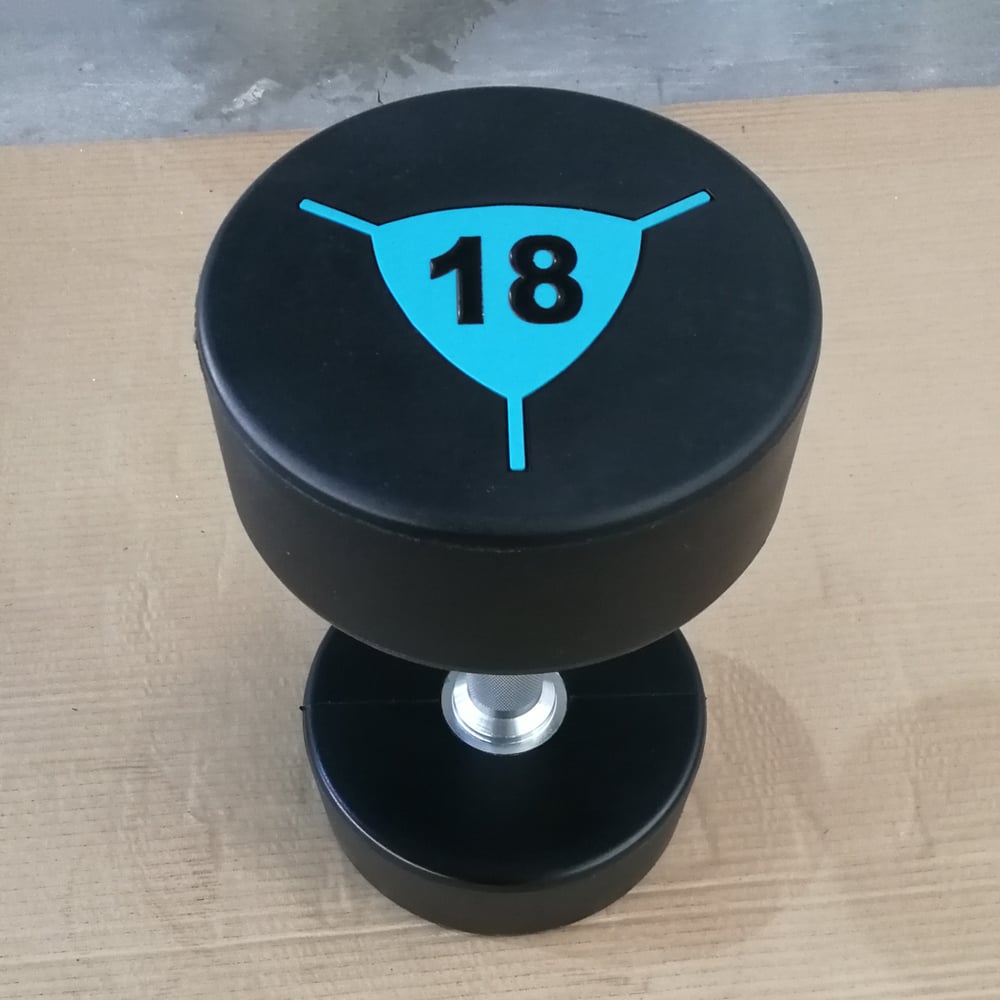
Urethane Dumbbells vs. Rubber: Why Durability and Total Cost of Ownership Matter
Walk into any busy commercial gym, and you will see dumbbells taking a beating. They get dropped, slammed, knocked together, and cleaned with harsh chemicals—day after day, year after year.
Not all dumbbells handle this abuse the same way.
Some look worn out within 18 months. Others still look and perform like new after five years. The difference comes down to one factor: the coating.
Here is what facility managers and gym owners need to know about urethane dumbbells—why they cost more upfront, why they save money over time, and why they are becoming the standard in premium commercial spaces.
The Material Science Behind Urethane’s Durability
Urethane is a thermosetting polymer that forms a hard, non-porous coating with high tensile strength and elastic rebound. Unlike standard rubber, its molecular structure absorbs shock and returns to shape after repeated high-impact drops—preventing micro-fractures that lead to cracking.
The wear resistance of polyurethane is three to five times that of ordinary rubber. It can withstand dumbbells being repeatedly dropped, smashed, and bumped without being easily damaged or deformed.
Key material advantages:
-
Impact resistance – Absorbs shock and springs back, preventing cracks
-
Abrasion resistance – Surface hardness resists scuffs from rack contact
-
UV stability – Built-in stabilizers block sunlight-induced degradation, preventing fading and yellowing
-
Chemical resistance – Non-porous surface repels oils, sweat, and cleaning chemicals
Unlike recycled rubber compounds—which lack UV additives and deteriorate rapidly under sunlight and ozone exposure—urethane maintains its integrity across multiple environments without protective maintenance.
From the field: A facility manager I worked with switched from rubber to urethane after noticing that their rubber dumbbells were showing visible wear within 14 months. The urethane set, installed in the same high-traffic area, still looked nearly new after three years. The manager estimated they had saved over $4,000 in replacement costs during that period alone.
Real-World Lifespan: 5+ Years vs. 2–3 Years
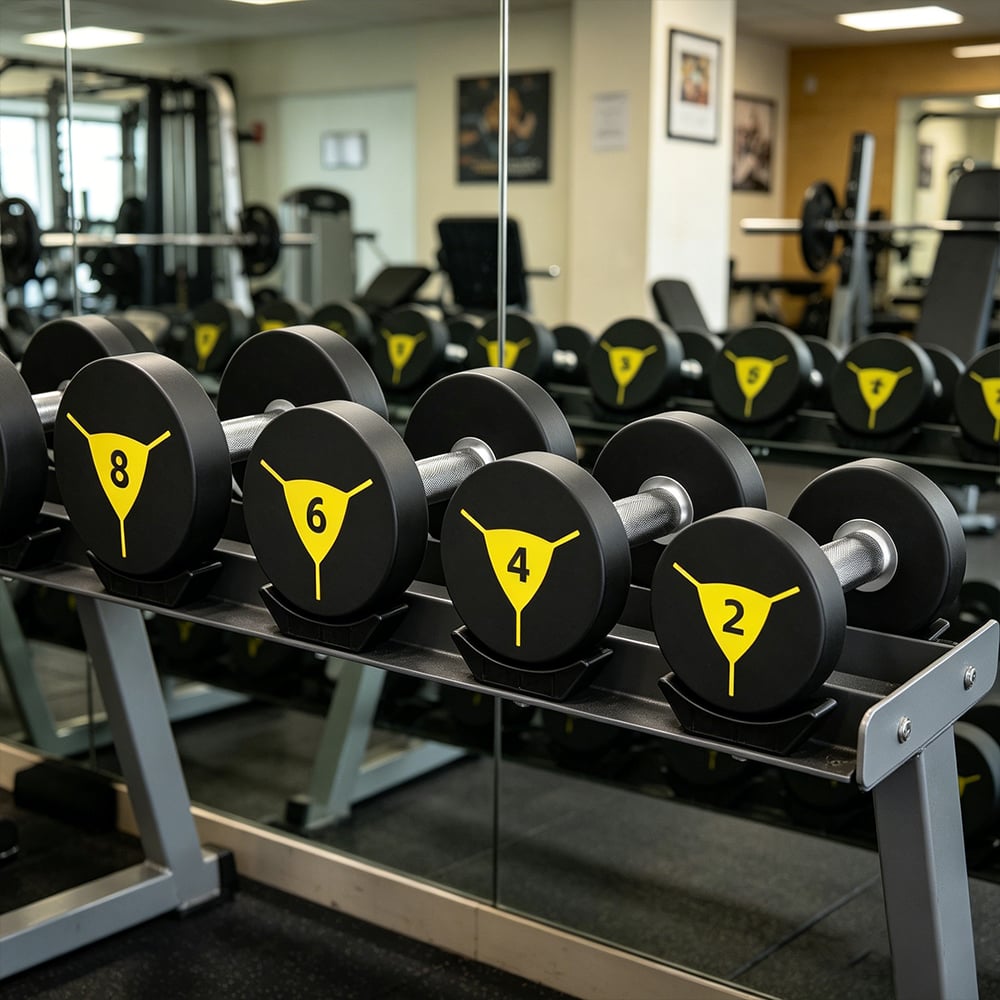
In busy commercial gyms, rubber hex dumbbells often show chipped edges, peeling coating, and persistent odor within 18 months—prompting full replacement every two to three years to maintain safety and professionalism.
Urethane dumbbells, by contrast, routinely exceed five years of daily, drop-intensive use without visible degradation. According to American Fitness Professionals & Associates (AFPA), urethane dumbbells used in commercial gyms can last 8 to 12 years or more with minimal maintenance—three times longer than rubber.
Some manufacturers report that urethane-coated units in 24/7 fitness centers remained virtually indistinguishable from new after five years, while rubber equivalents required three replacements over the same period.
| Material | Typical Lifespan | Replacement Frequency |
|---|---|---|
| Rubber Dumbbells | 2 – 3 years | Every 2–3 years |
| Urethane Dumbbells | 8 – 12 years | Every 8–12 years |
This extended service life reduces procurement frequency, avoids rack recalibration, and eliminates floor disruption—enabling predictable capital planning and uninterrupted member access.
Total Cost of Ownership: The Real Economics
Commercial gym owners who focus solely on per-unit purchase price often overlook the hidden costs that accumulate over a product‘s life. Urethane dumbbells typically cost more upfront—about 40% more than rubber equivalents—but the long-term economics tell a different story.
| Cost Factor | Rubber Dumbbells (Annual) | Urethane Dumbbells (Annual) |
|---|---|---|
| Set replacement (amortized) | $900 | $280 |
| Floor patch/repair | $350 | $70 |
| Odor control | $200 – $400 | $0 |
| Total | $1,450 – $1,650 | $350 |
Estimates based on mid-size commercial gym, 80-member usage.
Where the savings come from:
-
Fewer replacements – Urethane lasts 3× longer, slashing replacement costs by up to 60%
-
Less floor damage – Superior shock absorption minimizes dents and scuffs
-
No odor control – Urethane is odorless from day one; rubber emits volatile compounds as it degrades
-
Lower staff labor – Less time spent scrubbing marks and sweeping rubber dust
Over five years, a gym can save thousands per rack, freeing capital for programming or membership growth.
Hygiene and Odor Control
Gym members expect a clean environment. In an era where hygiene is a top concern, equipment that absorbs sweat and bacteria is a liability.
Urethane‘s non-porous surface resists the absorption of sweat, oil, and bacteria, preventing the build-up of bad odors. Regular wiping ensures a hygienic training environment, reduces the risk of infection, and promotes overall health.
Rubber, by contrast, is porous. It absorbs moisture and over time develops a persistent, unpleasant smell that no amount of cleaning can fully eliminate. As rubber degrades, it emits foul-smelling volatile compounds—requiring ongoing deodorizing that can consume hundreds of dollars monthly in chemicals and labor.
From the field: A boutique studio owner told me she switched to urethane after members started complaining about the smell of their rubber dumbbells. The complaints stopped immediately. “I didn‘t realize how much the odor was affecting the member experience until it was gone,” she said.
Noise Reduction: A Quieter Workout Environment
Traditional iron dumbbells produce sharp, disruptive sounds upon contact with racks or flooring—often exceeding acceptable decibel limits in shared-use buildings.
Urethane‘s dense, impact-absorbing coating lowers noise output substantially. The urethane coating absorbs impact and reduces noise and vibration, creating a more enjoyable and peaceful workout environment. This acoustic improvement helps facility managers meet lease requirements and local noise ordinances without compromising training intensity.
Who benefits most:
-
Multifamily residential gyms – Noise complaints from adjacent units decrease
-
Boutique studios – Quiet atmosphere supports premium positioning
-
Corporate fitness centers – Professional environment with fewer distractions
Unlike rubber coatings that harden and grow noisier over time, urethane retains its elasticity and acoustic performance long term.
Premium Aesthetics and Brand Alignment
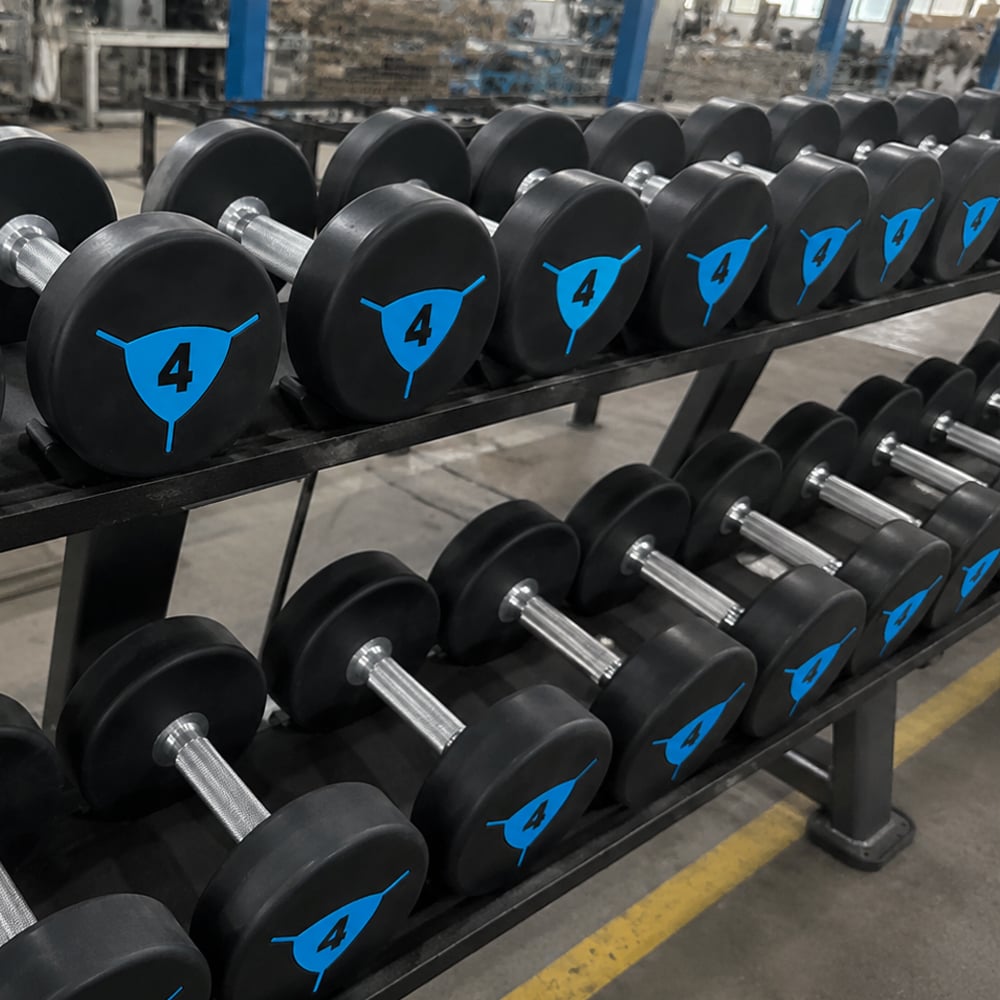
First impressions matter. Urethane dumbbells offer a sleek, uniform appearance that instantly elevates the visual standard of any commercial fitness space.
Unlike rubber alternatives that fade, scuff, or discolor under heavy use, the non-porous urethane surface maintains consistent color and texture over years. Their dense, solid-cast construction and precision molding yield crisp, professional lines—free of the wavy edges or uneven seams common in lower-tier equipment.
For facilities seeking cohesive brand expression, many manufacturers offer custom logo engraving and brand-matched color options directly on the dumbbell heads. This visual consistency communicates quality and attention to detail—strengthening member loyalty and differentiating the facility in a competitive market.
Urethane is also the preferred choice for customization because its harder surface allows for clean, permanent engraving that rubber cannot support.
What to Look for in a Urethane Dumbbell Supplier
For companies that manufacture or supply commercial gym equipment, urethane dumbbell quality is not just about materials—it is about engineering discipline.
A supplier that understands commercial gym needs will:
-
Specify the type of polyurethane used (CPU vs. TPU)
-
Provide documented drop-test results and warranty terms
-
Offer tiered pricing for volume purchases
-
Support custom logo engraving and color matching
CPU (cast polyurethane) is generally the better choice for overall durability, consistency, grip, reduced odor, aesthetics, and value. TPU (thermoplastic polyurethane) is softer and still highly resistant to abrasion, often found in home gym or lighter-use settings.
When evaluating suppliers, ask about their coating adhesion testing, handle-head bond strength verification, and warranty claims history. A strong commercial warranty—some manufacturers offer five-year commercial warranties on urethane coatings—is a good indicator of confidence in the product.
FAQ
Why are urethane dumbbells more durable than rubber dumbbells?
Urethane dumbbells use a thermosetting polymer with high tensile strength, elastic rebound, and UV stabilization. This molecular composition resists cracking, fading, and impact damage better than rubber dumbbells.
Does urethane-coated equipment cost more initially?
Yes, urethane dumbbells typically have a higher upfront cost compared to rubber—about 40% more. However, their extended lifespan (8–12 years vs. 2–3 years) and lower replacement frequency significantly reduce total ownership costs.
How does urethane contribute to gym hygiene?
Urethane is non-porous and does not absorb sweat, oils, or bacteria. It can be disinfected easily, eliminating odors and enhancing overall cleanliness.
Can urethane dumbbells be customized for branding purposes?
Yes, many manufacturers offer custom logo engraving and brand-matching color options for urethane dumbbells, allowing gyms to align equipment with their brand aesthetics.
Do urethane dumbbells damage flooring?
No, urethane‘s superior shock absorption minimizes blunt-force impact, reducing damage to mats and subfloors compared to rubber alternatives.