 EN
EN

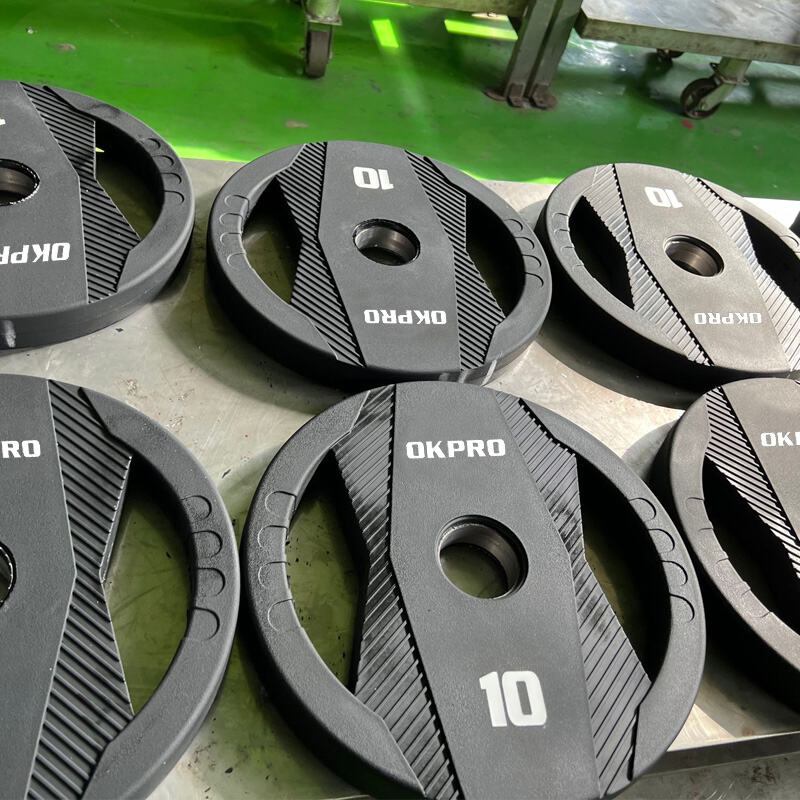
From a cost perspective, many gyms will retail their weight plates by material and look at steel plates as the ideal gym plate solution because they typically range from $1.50 to $3.50 per pound depending on the size of the plate. However, according to various facility reports, steel plates in a commercial gym setting will rust and become unusable in just 3 to 5 years. Furthermore, the impact absortion of a steel weight plate is typically lower than rubber plates and therefore contributes to increased damage of gym floors and barbell sleeves. Rubber plates are advantageous from a noise reduction perspective as they reduce sound levels by 50-66%. Rubber plates typically have a 8-12 year lifespan with some deterioration if they are cleaned regularly to remove rubber dust from the tops of the plates and the urethane coating. The premium urethane plates are rechargeable however as they are able to withstand drops and impacts firmly for 15 years or more. If the gym has 200 or more member workouts in a day's, the premium urethane plates become a more cost effective alternative.
It’s not about starting off cheaper, it’s about those extra dollars spent at the beginning paying themselves off due to better durability, safer workouts and happier members that keep coming back.
Break-Even Analysis: How Many Months Until Premium Weight Plates Pay Off?
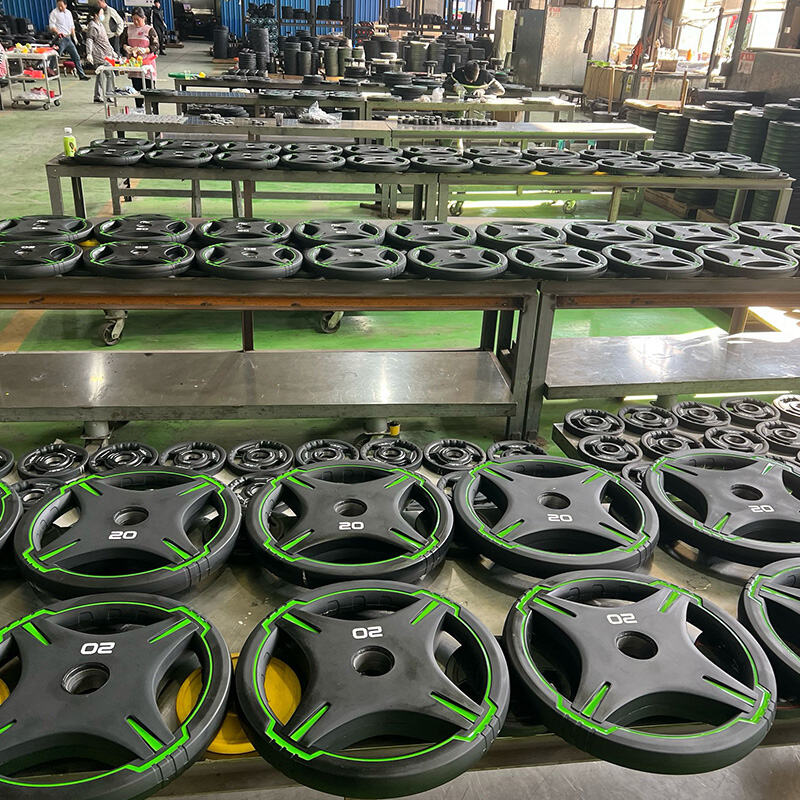
For a 5,000 sq ft gym, capital outlay costs for 20,000 lbs of plates include:
- Steel: $50,000 (replaced every 5 years)
- Rubber: $80,000 (replaced every 10 years)
- Urethane: $120,000 (lasts 15+ years)
Considering urethane’s outstanding 2022 Parker research findings, 72% reduced annual replacement frequency, and 34% reduction in hours spent by staff looking for and checking for damage, most high-traffic facilities break even around 18-22 months. This timeline improves even further when the impact on member retention is considered. Research shows gym facilities equipped with premium plates and weights experience approximately 25% fewer member complaints about equipment damage. Satisfied gym members result in improved retention and decreased costs associated with losing customers. Gyms planning on remaining open 5 years or more tend to see, on average, 19% ROI with urethane weights due to long-term decreased replacement costs, ongoing labor costs, and damage to reputation. However, it’s not only due to the initial higher weight costs - although higher initial costs do contribute to a higher ROI due to reduced frequency of replacement parts.Weight Plates Durability: Aligning Material to Commercial Requirement
Impact Resistance and Replacement Cycles: Bumper vs. Urethane vs. Steel Weight Plates
For durability to be considered in a commercial environment, it is not about the number of years until something breaks. Performance is also key and that includes the potential for it to fail given the repetitive and potentially heavy usage for long periods of time. An example is bumper plates. Some rubber bumpers do absorb some shock, however, their face is going to wear to the point of being unuseable due to being dropped on the gym floor. It has been shown that bumper plates, on average, last 1 to 2 years in a commercial gym environment. Urethane plates however will last on average 4 to 5 years, even if used for daily Olympic lifting, due their resistance to wear and shape retention. Steel plates will last even longer without being damaged, in some cases up to 10 years without noticing any physical damage to the plate. However, that is the major problem with steel plates: their hardness creates a significantly higher demand on everything else in the gym. This includes the flooring, weight bar, and even the joints of the athlete.
This will create problems for facilities maintenance teams in the future. The 2023 report on fitness equipment longevity states that in standard 2-meter drop tests, urethane plates cracked 68% less than rubber bumpers. Although they may be a little more expensive, they save costs in the future by lowering replacement costs and damage risks in the areas of operation.
Safeguarding floors and reducing noise by bumpers is temporary. Bumpers are a waste disposal cost each time you buy a new bumper. Research by Gym Acoustics (2023) found that bumpers reduce noise by 15 decibels. Steel weights increase complaints that lead to city gyms being quieter. Compared to city gyms, gyms have twice the complaints for noise. Steel weights increase the costs to put a stronger floors below the weights which normally run $7-$12 per square foot. Urethane weights are the quietest, shaking the floor the least (only 20%) while being 30% quieter than steel. Urethane weights outlast rubber bumpers by 3 times. The more comfortable people feel exercising, the longer they stay members.
Gyms that switched to urethane reported almost twenty percent fewer membership cancellations due to noise issues, wobbling surfaces, or broken equipment that remained unfixed.
Weight Plates Compatibility: Making Integration Easy Across Gym Zones
Gym operators also appreciate how functionality and compatibility impact user experience and ease of use. A perfect example of this is the use of standard 50mm sleeves on Olympic bars. When all the weight plates slide easily on and off the racks, functional trainers, and specialty bars, it is a game changer in a facility that integrates strength training and exercises that require movement . We've all had that experience, and know exactly how it feels, when plates are inconsistent. In a group circuit class, time is of the essence as clients are required to move quickly through the various stations to complete their workout. In a recent study, it was found that inconsistent plate sizes in gyms leads to clients losing 15 to 20 % of their workout time just dealing with the equipment. And a similar issue exists with bumper plates. Staff are able to arrange and remove plates as required without the risk of toppling the plate stack with mixed size bumper plates. In addition to being a tripping hazard, they cause a significant issue for cleaning staff who need to sort and organize the storage.
Buying plates with specific shaped edges and standard holes may not seem crucial from a pricing or aesthetic perspective, however, long term purchasing and maintenance costs, operational efficiency, customer retention, and more, hinges on purchasing plates correctly.
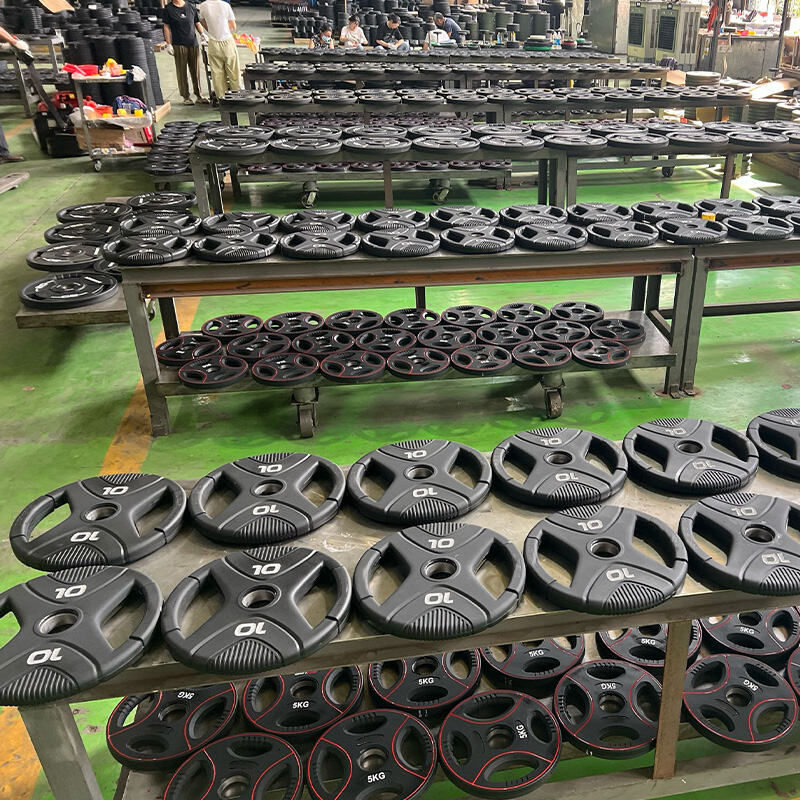
The Operational Reality of Weight Plates and Their Hidden Maintenance Costs
It's important to remember that purchasing weight plates is more than just a one-time buy. The material of the plates must be considered to determine long-term costs associated with maintenance. Getting this wrong leads to neglected costs which build quickly. Think of weight plates constructed from rubber: they will need cleaning once a week with a pH neutral cleaning solution in order to avoid smell and surface damage. They will also need inspections for rust and cleaning. Stainless steel will corrode if not dried after cleaning from moisture or if located near a coast. Steel plates also need inspections for rust once a month. Urethane plates may be cleaned for disinfecting and non-disinfecting cleaning solutions and will not be degraded. Inspections for damage and wear to the edges and hubs will be required about quarterly, making your maintenance staff's lives just a bit easier.
To put it simply, unplanned downtime costs a lot more than regular maintenance. Steel plates that go unchecked are replaced 3 times more often than steel plates that follow proper steel maintenance protocols. This causes an enormous amount of scheduling problems, potentially damaging customer confidence. While rubber plates are a lot quieter, they can actually trap bacteria in tiny cracks and crevices, creating a bio-hazard that could lead to legal issues. Facilities that check their equipment at least every other month see 40% less equipment replacement than those who do not according to reports in the industry. When facility managers find that balance, they convert those random repair bills into something that fits neatly into their budgets. Suddenly maintenance isn't just another expense, it's part of smart business planning.
Weight Plate FAQ
What do you get with urethane weight plates that you do not get with weight plates made from rubber or steel?
The main advantages of urethane weight plates are that they last longer, are better at withstanding damage, and they are quieter than both rubber and steel plates, Although that means they are more expensive at first, they are better value since they are more enjoyable to use, and require less upkeep.
Why is it important to think about weight plate and equipment compatibility?
Having compatible equipment and plates means the plates will slide easily and effortlessly onto weight training equipment, which improves the flow of the workout so you can focus on your training. Workout plate flow will ensure your training is as effective as possible.
What are the consequences of having rubber plates in the gym?
Rubber plates will negatively impact the gym more than other types of plates do since they need to be cleaned more often due to the bacteria and smell that they can trap. Because of the way they age, rubber plates will require replacement more often, which means they will become more expensive over time.
Table of Contents
- For a 5,000 sq ft gym, capital outlay costs for 20,000 lbs of plates include:
- Impact Resistance and Replacement Cycles: Bumper vs. Urethane vs. Steel Weight Plates
- Weight Plates Compatibility: Making Integration Easy Across Gym Zones
- The Operational Reality of Weight Plates and Their Hidden Maintenance Costs
- Weight Plate FAQ