 EN
EN

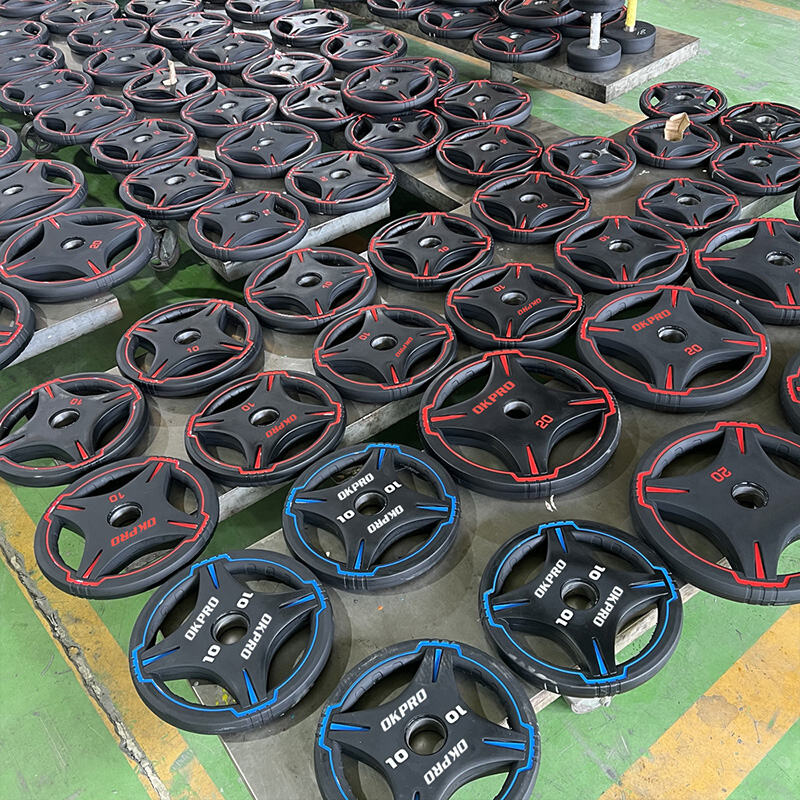
Quality Barbell Plates - Durable and Economical
A Study of Cast Iron, Rubber, Urethane and Bumper Plates for Volume Usage
A cast iron plate can seem like an attractive option, however they are cheaper for a reason and need to be replaced roughly every 18 months because of chip and rust development. Rubber-coated plates can last for 3 to 5 years by absorbing a minimal amount of the drops and significantly reducing noise levels and damage. Flooring. Olympic-grade bumper plates can endure over 20,000 drops on the drop zone without losing their original shape. Urethane plates have a 8-10 year lifespan and are the most durable out of the options outlined in the buyers guide and have a tighter margin of being the most cost effective option with the lowest ratio of Cost/SD (Cost of substitution/Serviceable duration). Urethane plates are also more slip resistant and have better chemical resistance. A Jim experienced 40% lower replacement expenses after the switch to urethane plates, that were used heavily in the squat.
Proven ROI: Quality Barbell Plates Reduce Replacement Costs by 62% in 3 Years
Analyzing replacement cycles reveals the financial benefits of premium materials. The low-grade cast iron plates need total replacement every year or 18 months in most commercial settings. This costs mid-sized gyms about $5,500 per year. In comparison, urethane or competition-grade bumper plates do not wear out and provide a full 5-year replacement cycle. This reduces the replacement cycle by 62% over 3 years. The savings are measurable.
Cumulative costs (1 year – 3 year) of plate sets: Low economy plates are $16,500 versus premium plates are $6,270. Hidden costs include 78% fewer needed repairs on flooring, and 60% less replacing the collar for the barbells.
Due to savings of the gym with less downtime of gym equipment, the gym reported a 25% increase in member retention. The ROI counted not only $$$ on new plates but $ on Operator Staffing to cover the capital shift.
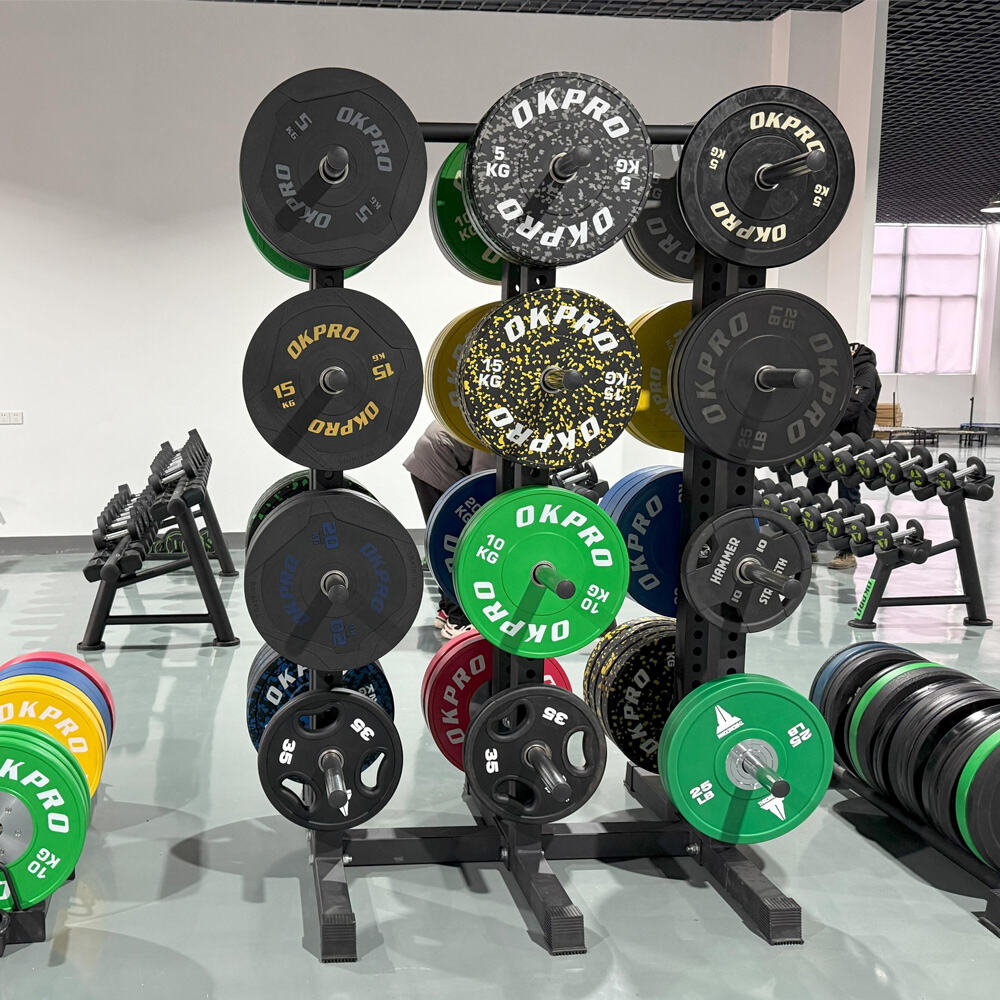
Safety and Compliance: Choosing Barbell Plates for Olympic and High Intensity Training
Drop Performance and Floor Protection: Bumper Barbell Plates with ASTM-F3131-22 Certification
Safety Bumper plates go through ASTM-F3131-22, a benchmark in testing for safe use of bumper plates for Olympic style lifts and for high frequency drops and weight lifting. The standard Bumper plates are manufactured to withstand multiple drops of 2 meters and provides full protection for the flooring systems. Due to the compliant cert rated bumper plates, flooring repair costs have been shown to decrease by 37% per year compared to Bumper plates with no cert. The dense rubber construction are shown to break through the 10,000 drops but maintain the equipment integrity for the modern gym. 73% of gyms reported to have fewer member injuries associated to the equipment when the gyms prioritized cert plate rather than plates without cert.
Positive vs Negative Weight Tolerance Standards (ITF/IPF) and Effect on Competitive Programing Zones
This kind of tolerance is needed in setups where IPF and IWF weights are used with their standards of weights having a tolerance of +/− of 10 grams. This is important for accurate placement of barbells stacked with multiple plates (a requirement in programming zones) as loading is done using percents of a 1 rep max. Facilities that use IWF compliant weight plates are able retain 28% more of their clientele as compared to IWF non-compliant weight plates. This line of thinking means that if the weights are more consistently Calibrated, then there is less of a chance to There won’t be any missing increments that alters the strength gains. For commercial gyms that are going to be hosting a competition, this compliance means that the equipment doesn’t need to be re-calibrated for 92% of the events.
Barbell Plates as Growth Infrastructure: How Adding Plates Contributes to Retention and Overload
How 2.5–50 lb Barbell Plates Balances Client Programming and Retention
With a complete inventory of barbell plates ranging from 2.5 to 50 lbs, gyms can achieve real progressive overload, which is vital for strength gains. This tiered system allows everyone from beginner to elite to fully benefit from barbell training. Beginner-level trainees can use plates ranging from 2.5 to 5 lbs to avoid rapid gains which can be injurious as well as unsustainable, trainees at the intermediate level can use plates ranging from 10 to 25 lbs to encourage muscle growth, and for elite trainees, plates can be used to help overcome growth plateaus via micro-loading. Those facilities report member retention at 23% (Fitness Business Journal, 2023) as they eliminate the barriers to progressive overload. Here are a few of the essential characteristics:
Novice/Rehab: Plates of 2.5 to 10 lbs allow for as much as 5% improvement in strength per week without injury.
Hypertrophy: Plates of 25 to 45 lbs allow for as much as 10–20 lbs of muscle growth per month.
Elite: 0.5 to 2.5 lb micro-loading plates provide for as little as 1–2% overload beyond max effort for lifts to give them a slight but notable competitive edge.
The breakdown of micro-loading loss barriers contributes to member retention. Barbell Plates are Growth Infrastructure.
The facility experience becomes more seamless as the plates diminish their presence from a friction point to an operational advocate/barbell plate.
Barbell plates lined with rubber achieve a balance of benefits to operations by creating the abstraction of friction point and space.
Acoustic Impact: Rubber-Coated Barbell Plates Lower Ambient Noise by 22 dB—Boosting Member Satisfaction Scores
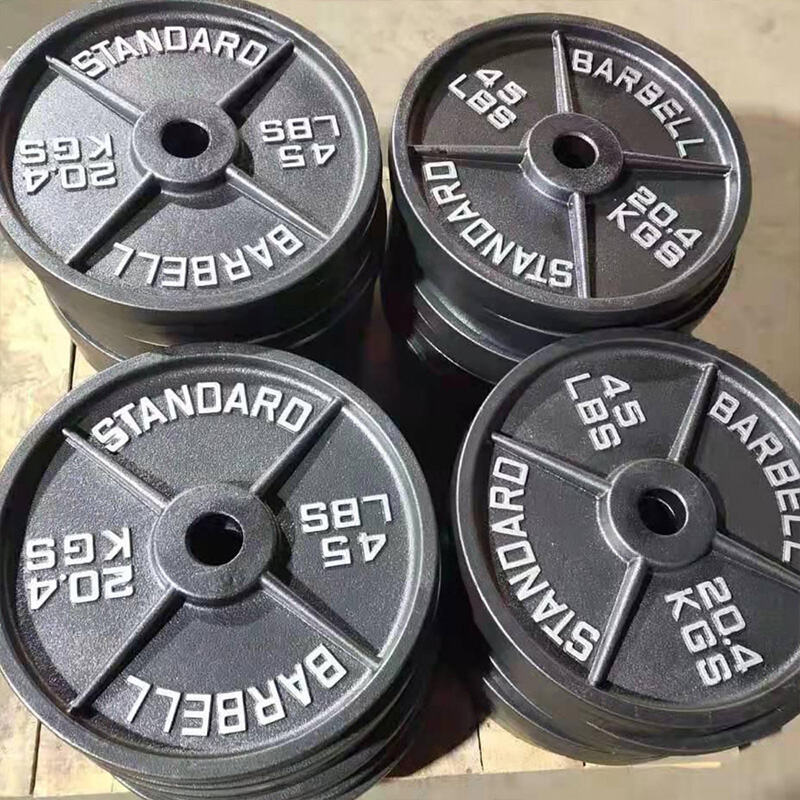
Rubber-coated barbell plates keep peak noise levels 22 dB lower than cast iron ones. That's a noise reduction from city traffic to a library. They turn high-intensity workout zones from:
- Clatter disrupting coaching cues and focus
- Noise levels above the 70 dB recommended by OSHA for prolonged exposure
- Significant flooring system degradation from the transfer of vibrations
This upgrade sees member retention rates increase by 18% and injurious lifts rapidly decrease. This leaves staff 5 hours a week for meaningful member assistance. The upgrade resulted in the facility's first operable synergy. This includes quieter spaces, resilient equipment, and reallocated labor. The result is a Net Promoter Score increase of 15 points year over year and replacement costs reduced to zero.
FAQ Section
What materials are used in premium barbell plates, and which is the most durable?
Materials used in premium barbell plates include natural cast iron and rubber-coated. Located at the top of the premium barbell plate hierarchy are urethane plates. Due to their resistance to chemicals and large hardness, they last 8 - 10 years.
How do premium barbell plates contribute to cost efficiency?
Premium barbell plates require fewer replacements. This is less than competitors, such as urethane and competition-grade bumper plates, which cost 62% less over the three-year duration substantial replacements are required.
Which Safety Standards Govern Barbell Olympic Plates?
During Olympic lifts, decreased impact damage is increasingly caused by bumper plates which are in accordance with the ASTM-F3131-22 Standard.
Why is Weight Tolerance Significant in Competition?
The accuracy of Olympic plates is ensured largely by the ±10g weight tolerance assured by the IPF/IWF. This accuracy is required in the programming of competitive environments.
In what way do the rubber-coated plates optimize gym management?
Rubber-coated plates are able to decrease serviced environments to a pleasing condition by lowering ambient noise levels by 22 dB, decreasing the transfer of vibrations on the floor.