 EN
EN

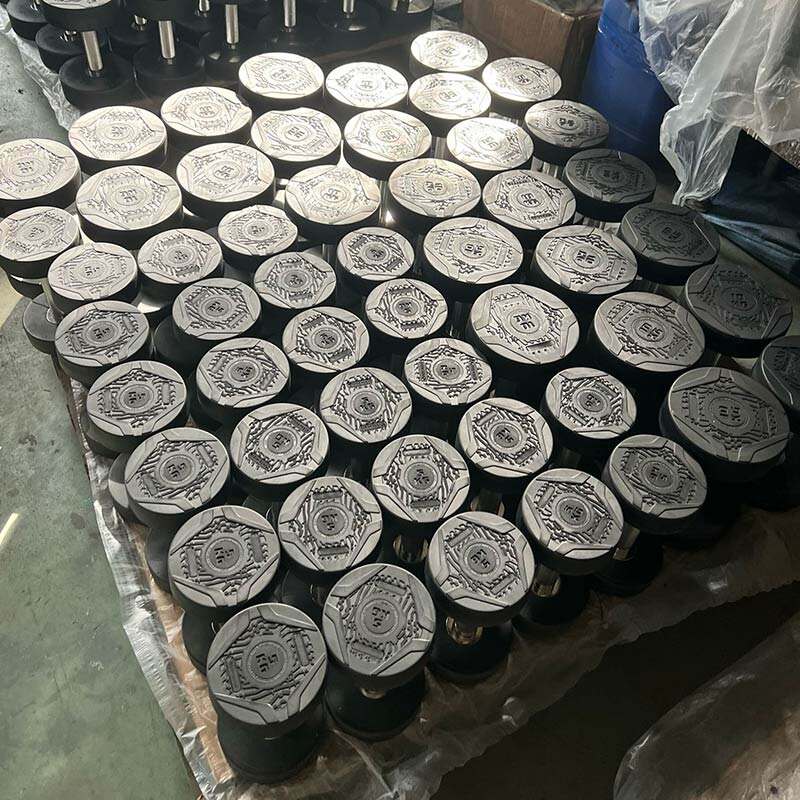
Return on Investment (ROI) and Durability Unlike Any Other Dumbell
High-Endurance Training Drop Resistance: Able to Handle CrossFit Cleans and Snatches and Everyday Commercial Usage
Rubber dumbells are designed to withstand damage to themselves and the floor in the event that a user drops the weight at a CrossFit gym (such as during Cleans and Snatches). The rubber coating on the dumbells absorbs the impact from the weight in the event that a user drops it. In comparison to rubber dumbells, chrome coating dumbells are more likely to become dented or rusted. Unlike chrome coating dumbells that begin to deteriorate after rough handling, rubber dumbells are able to maintain their shape and look. Many gym owners report that rubber dumbells need to be replaces about 40% less than dumbells that are used in areas that experience intense workouts on a daily basis. Come gym owners spend less time troubleshooting and have more equipment available for their clients.
Lifespan comparison: dumbbells made of rubber, chrome, and urethane for use in gyms with 12+ hours of operation a day
In a 12+ hour a day operational facility, equipment lifespan impacts overall operational efficiency and total cost of ownership. Among all the dumbbells, rubber weighted dumbbells offer the best customer value and equipment cost savings:
Material Ave. Life Span Failure Characteristics Required Maintenance
Rubber 5 – 7 Years Very Few Coating Cracks Quarterly Inspections
Chrome 1 – 3 Years Chips & Rust Monthly Refinishing
Urethane 8 – 10 Years Very Rare Surface Damage Servicing Required Bi-Annually
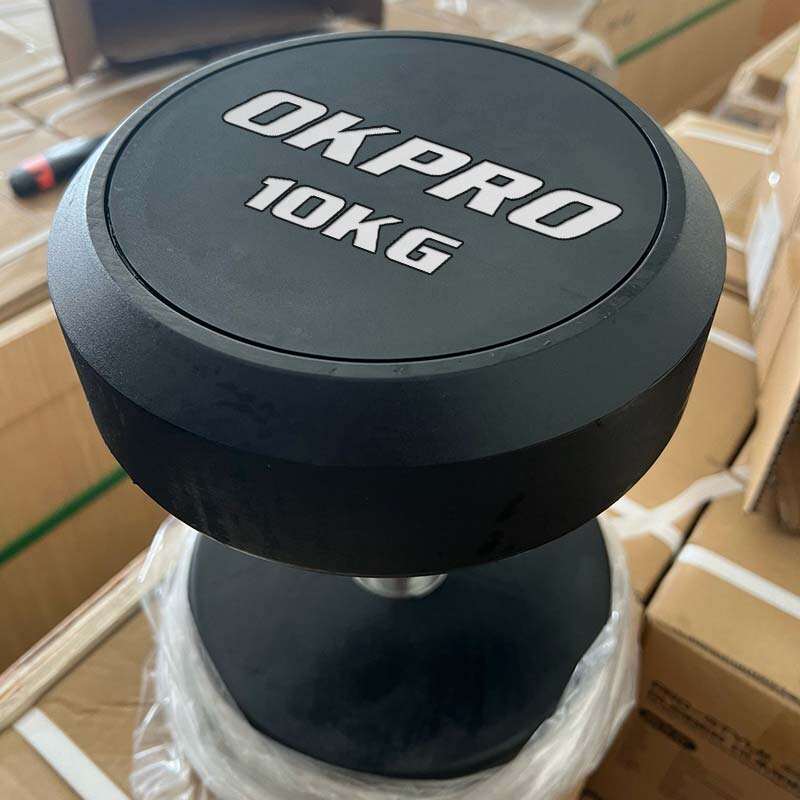
Although urethane dumbbells are the most expensive, they are the most durable. Rubber also has a pretty good performance overall and withstands dropping even under gym equipment usage stats from IHRSA. What also stands out for rubber is that it reliably maintains performance and does not deteriorate like chrome that breaks down over time. In actual gym environments, chrome dumbbells under the same daily use and abuse break about 3x more than rubber dumbbells.
Cost-per-use economics: rubber dumbbells provide 3.2× greater ROI (IHRSA 2023)
IHRSA’s 2023 analytical study on commercial fitness equipment shows that rubber dumbbells provide 3.2× greater ROI than chrome dumbbells. The differentiation does not come from an initial cost difference, but rather from operational cost efficiency, which comes from three key factors:
Longer replacement cycles: With a lifespan of 5-7 years chrome dumbbells only last 1-3 years. This means that the cost of rubber dumbbells is spread over thousands of more workouts.
Lower secondary costs: Shock-absorbent rubber dumbbells lead to 27% less damaged flooring, meaning cheaper maintenance.
Minimal maintenance: Rubber dumbbells have no surface refinishing, no rust, and no plating to touch up which are all maintenance burdens that chrome dumbbells come with.
Commercial gyms that invest in rubber dumbbells typically break even with that investment after 18 months. In contrast, chrome dumbbells require reinvestment every 2-3 years which leads to hidden labor, logistics, and inventory costs. The difference in ROI between rubber and chrome dumbbells also leads to measurable cost savings and predictable budgeting over 5 years.
Noise-Reducing Dumbbells with Floor Protection
Impact noise is a high concern with < 40% rubber dumbbells, which is ideal for multi-facility uses.
Rubber dumbbells improve the noise concern most gyms have with multiple functional areas. The thick rubber coating absorbs a lot of sound when these weights hit the ground or get dropped, which is a concern with metal dumbbells. 40% reduction of sound absorption is powerful when other gym users have the potential to derail one another's finishes or focus. When a gym has wall attachments or is next to other businesses, obtrusive operational noise can become a large problem. In a gym, multiple functional areas become essential to give members the freedom to work out without being distracted.
Rubber dumbbells and damage to floors
To ensure protection of the flooring, rubber dumbbells should be used, as the ASTM F2772 testing results show. The rubber dumbbells testing results show how, when dropped from standard overhead height, their broad contact surface distributes force over 300% more area than metal dumbbells (which, due to their smaller surface area, would have a ‘concentrated’ stress point and therefore damage the floor more).
Some key points include:
Surface Type Damage Depth (Metal) Damage Depth (Rubber) Reduction
Concrete Subfloors 1.8 0.3 83%
Rubber Subfloors Permanent dent Temporary compression 100%
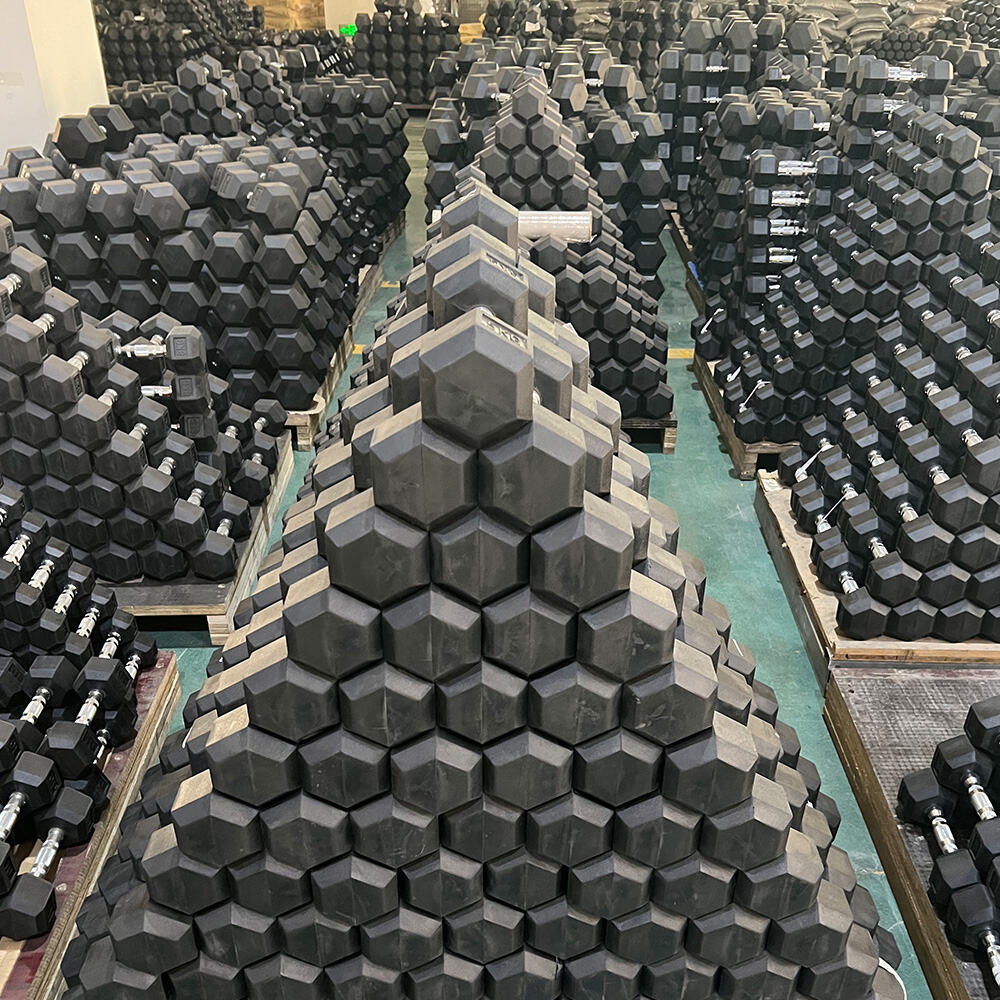
When touching a concrete surface, rubber avoids microfractures and spalling. Furthermore, rubber on subfloors prevents permanent deformation. Safety and aesthetics are preserved. The role of rubber as a flooring material in gyms is solidified, as many facility managers report less floor damage and therefore better and longer flooring. The positive results solidify the sustainability of rubber flooring.
Improved Safety and Operational Efficiency of Rubber Hex Dumbbells
Non-rolling hex design and textured grip: minimal tripping and user injury reduction of 27% (ACSM 2022)
The hex design of rubber dumbbells is practical, not decorative. These hexagonal weights are shaped so that they can be placed on the floor without rolling in any direction. This reduces the risk of tripping over weights, especially in busy gyms where users are constantly moving between exercise stations. The dumbbells are also designed with highly textured grips that enhance user control over the dumbbells during intense or heavy exercise. A study published last year by the American College of Sports Medicine (ACSM) found that injury rates dropped by 27% in gyms that replaced their round and bare metal dumbbells with hex rubber dumbbells. In addition to ensuring the safety of users, gym managers will appreciate the reduced injury claims. Gyms will experience reduced member turnover. Newer members and members returning from injury appreciate using dumbbells that they can safely grip without fear that the dumbbells will slip from their control.
With that unique six-sided design alongside durable rubber, staff will be able to manage daily operations much more efficiently and members will be able to enjoy a much more comfortable and safe workout experience.
FAQs
1. Why are rubber dumbells more durable than chrome dumbells?
The dumbell design rubber has a tough rubber covering to protect the dumbells and the floor from the shocks of being dropped. In contrast, chrome dumbells tend to chip and rust.
2. How do rubber dumbells help to reduce the noise in a gym?
The rubber coating of dumbells reduces the noise from the impacts of the dumbells by about 40% by absorbing sound and reduces the impact noise. This is especially important for gyms where there are lots of different workout areas and zones to help reduce the noise.
3. Are rubber dumbells more economical in the long term?
Yes, rubber dumbells are more economical because they are more durable and require less maintenance than chrome dumbells. Therefore they result in less maintennce and repairs, less costs, and a more prolonged return on the costs.