 EN
EN

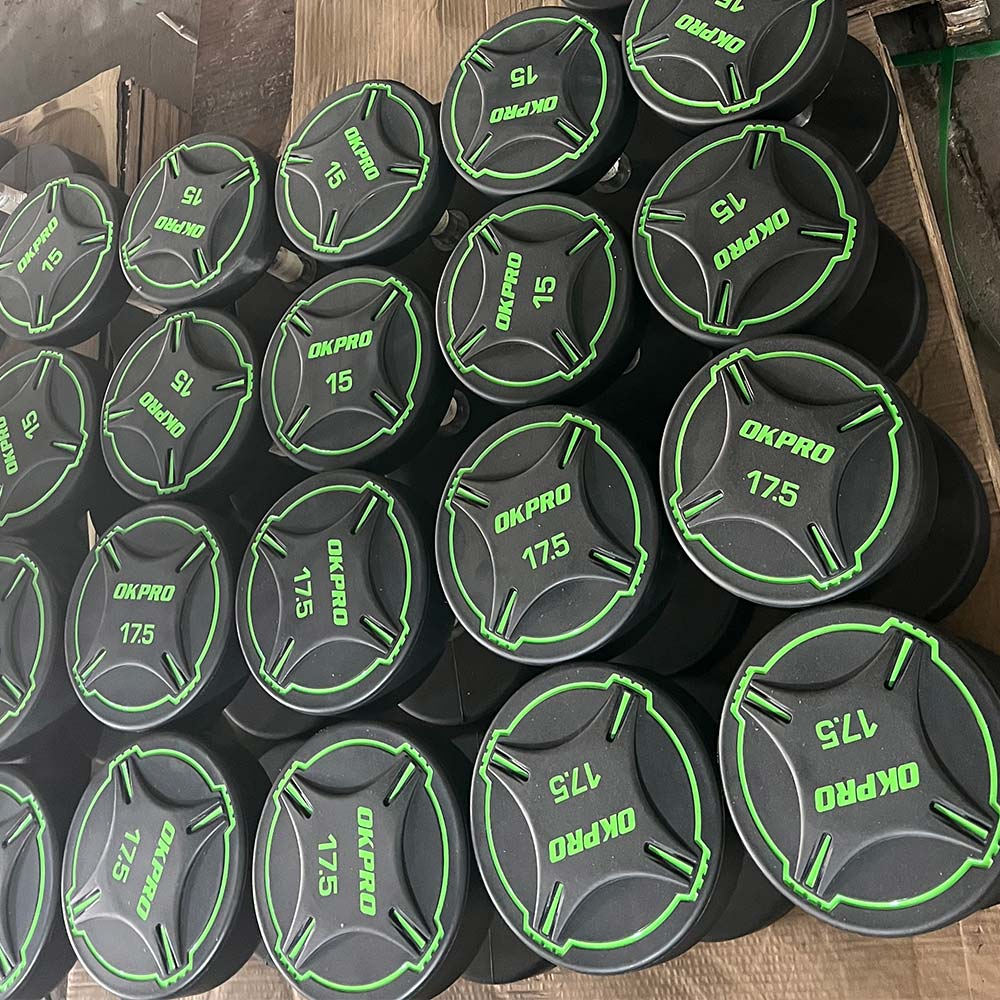
Unmatched B2B Profitability and Operational Simplicity of Dumbbells
High Margin Stability across Weight Categories Thanks to Low SKU Count
Wholesale margins for dumbbells are quite stable (typically 35% to 45% profit), and for good reason. Dumbbells are sold as fixed weights. Adjustables and other equipment parts create the assembly and quality control issues across weights (light, medium, heavy), comprising of unit weights (light = 2.5-10 lbs, medium 15-25 lbs, heavy 30+). Standardization impacts ease of warehouse management significantly. As of 2023, complex fitness equipment has been cited for 18-22% higher storage costs . Weight management is straightforward, storage and raw material costs are kept in check, and factory gross profit remains stable, as expected, after decades of manufacturing experience.
Sustained 22–28% Year-over-Year Growth in Wholesale Shipments of Dumbbells (2022-2024)
The data shows that between 2020-2024 dumbbell shipments rose between 22 to 28 % every year. This information comes directly from IHRSA reports and Statista's most recent analysis of the fitness market. What's the reason behind this? Two factors explain this trend. Initially, customers purchased weights for their home workouts and in turn, they needed replacements. When gyms reopened, customers purchased equipment in bulk, causing an equipment purchasing frenzy. This spike in demand during the post- COVID-19 lockdowns saw dumbbells being the most purchased item in the equipment market over other equipment such as treadmills and power racks. Distributors found that dumbbells were an essential item every gym needed and therefore were essential to the market. They also noted that their sales found no weakness in the seasonal slow sales losers, as their recorded sales during the month of January, were at the same levels as the recorded sales of the month of December. This kept their gyms constantly purchasing new equipment throughout the year.
Demand across consumer and commercial channels is strong and diversified.
Across both retail and commercial channels, demand for dumbbells is both strong and resilient, making them an outlier in the fitness category, especially for mitigating the risks associated with B2B wholesale strategies. This demand across both markets protects and defends revenue streams from changes in the economy, consumer demand, or disruptions in specific markets.
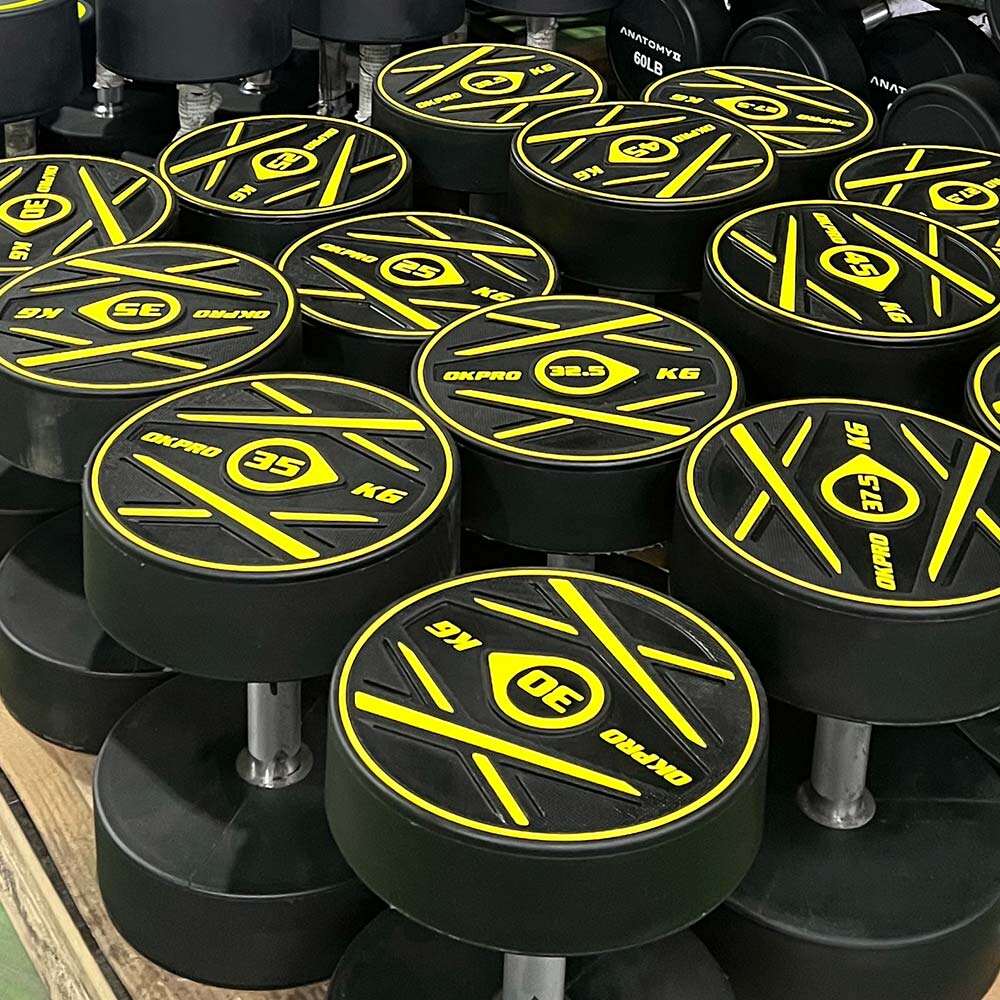
Home Fitness Adoption: 68% of U.S. Households Now Own Dumbbells (IFPA 2023)
Home strength training is no longer a passing fad. The 2023 IFPA Household Fitness Survey revealed that approximately two thirds of the U.S. homes now have dumbbells. The survey findings show consumers desire a variety of dumbbells in their homes to achieve their changing fitness goals. Consumers replace older dumbbells and modify their sets with additional weight plates as their strength increases. Dumbbells have proven to be a fitness essential as they have remained in demand year after year to support effective workout programs. The use of dumbbells is even recommended in the training materials from the American College of Sports Medicine and the National Academy of Sports Medicine.
Wholesalers are the most trusted source for bulk procurement for purchasing commercial fitness equipment. They handle the procurement for about 70% boutique gym distributors (GymEdge 2023). They take care of procurement and distribution, which gym owners don’t have to handle as they have the purchasing power to manage their own warehouses directly from the manufacturers. Recent IHRSA stats indicate that the US has around 42,000 boutique and independent gyms without the means to purchase directly from the manufacturers. Wholesalers take care of dumbbell procurement without making owners deal with everything that comes with the order, like quality control and shipping. They take care of ASTM standards, both for the class of weights and the calibrated dumbbells.
Dumbbells Are E-Commerce and Logistics Optimized for B2B Scale
Drop-Shipping Friendly: Standardized Packaging, Minimal Assembly, and <8% Return Rate
Dumbbells are suitable for high volume B2B e-commerce and are among the best drop-ship compatible fitness products. Three key product features responsible for this include:
Packaging for each weight tier is the same, allowing for uniform reduction in freight classification (value is based on weight and size of an individual product) and operational efficiencies in large volume warehouses in areas such as palletization, mail sorting, and transportation.
Assembly of most dumbbells is as simple as attaching the weight collars, making the process 40% faster than other products that have multi-part construction like functional trainers or cable systems.
According to the 2023 National Retail Federation (NRF) data, dumbbells have a verified return rate of less than 8%. This is a stark difference to the return rate of 18-30% for treadmills, ellipticals, and connected devices. This lowers the costs actually associated with returning products and the net loss associated with holding unsold products as a result of the return.
3PL (Third party logistics) and margin service level balances are achieved through the scale fulfillment of wholesalers through their logistics partners. Furthermore, weight sets with full weights ordered for commercial clientele have last mile delivery costs (the final delivery process) reduced by 12-15%. This is a measurable value when it comes to serving regional fitness groups or gym chain clientele.
Supply constraints strengthen strategic advantages for wholesalers in the dumbbells market
OEM lead times of 14 to 18 weeks and shortages in cast iron favor trusted wholesalers with stock inventory
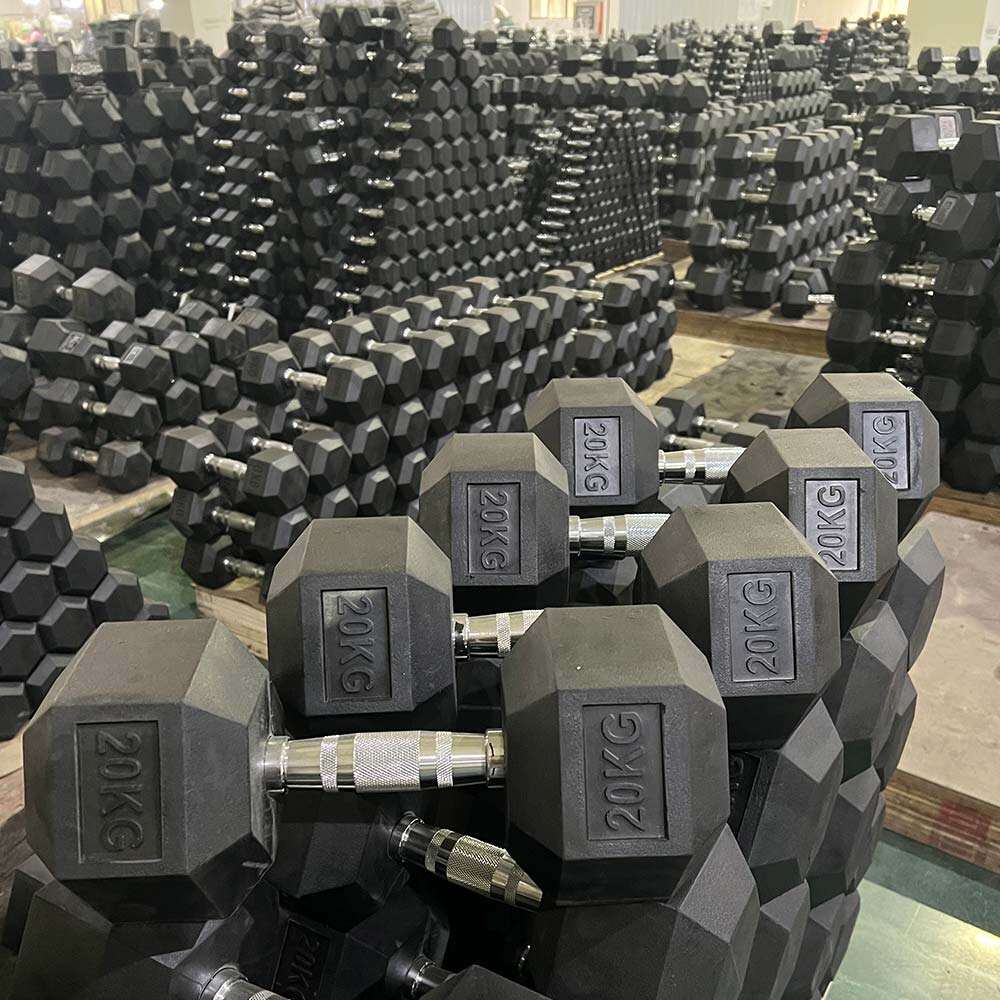
Production bottlenecks for OEMs have boosted power in the market for established wholesalers. They have lead times of 14 to 18 weeks and a cast iron shortage that is affecting stores and gyms that do not have direct manufacturer access or a lot of inventory in the back. Those wholesalers who have built a network of several supplier relationships and own warehouses in different regions can execute rapid orders and even push back order prices in a lot of cases. Their competitors sit around and do nothing. The fact that customers are loyal to the wholesalers indicates that those wholesalers are willing to sell equipment more than other customers. Those additional inventory buffers, in fact, strengthen the negotiating position of those wholesalers with the OEMs. They can get better conditions for volume purchasing, allocation specifications, and in some cases, heuristic discretion on payment terms.
What comes next? A feedback loop is created where dependable service fosters trust, and then trust allows them to operate at any price, and those earnings get reinvested into increasing inventory again. It becomes even harder to replicate those wholesalers within the market. \
FAQs
Why are wholesale margins for dumbells consistent?
The margins are consistent because of the fixed weights of dumbells as opposed to adjustable weights. The fixed weights create less production and inventory management complexity which leads to less cost.
What is the projected demand for dumbells from 2020 to 2024?
The dumbell shipments have consistently grown from 2020 to 2024 at a rate of 22 and 28 percent. This is due to the increase of people working out from home and the demand for equipment when gyms opened post-lockdown.
Why is the dumbell market optimized for e-commerce and logistics?
The dumbell market is optimized for e-commerce because of the standardized packaging, minimal assembly and the low likelihood of returns. These factors increase the operational efficiency in the logistics and fulfillment.
What factors give wholesalers strategic leverage in the dumbell market?
The strategic leverage comes from the inventory buffers, the many supplier relationships, and the developed distribution channels. These are essential, especially in the OEM lead times and in the shortages of materials.